
PVB vs SGP vs EVA: Understanding the Interlayers Behind Laminated Glass
When specifying laminated glass, the focus often lands on thickness, performance ratings, or compliance requirements. Yet one of the most important performance factors sits between the panes of glass themselves: the interlayer.

The choice between PVB (Polyvinyl Butyral), SGP (SentryGlas® Plus ionoplast), and EVA (Ethylene Vinyl Acetate) can significantly influence structural performance, acoustic control, durability, and specialised functionality.
At Tough Glass, these interlayer technologies underpin several key product ranges:
ToughGuard® – PVB laminated safety glass
ToughSound® – Acoustic PVB laminated glass
ToughView® – Structural SGP laminated glass
ToughSwitch® – EVA laminated combined with switchable interlayer.
Understanding where each interlayer excels helps ensure the right glass is specified for the right application.
What Is an Interlayer?
An interlayer is the polymer layer permanently bonded between two or more panes of glass during the lamination process.
Its primary role is safety. If the glass breaks, the fragments remain adhered to the interlayer rather than falling away.
However, modern interlayers do much more than hold broken glass together. Depending on the material selected, they can also improve:
Acoustic performance
Structural strength
Impact resistance
UV protection
Weather durability
Privacy technology integration
The performance characteristics vary considerably between PVB, SGP, and EVA.
PVB Interlayers: The Industry Standard
Polyvinyl Butyral (PVB) is the most widely used interlayer in architectural laminated glass.
For decades, it has been the preferred solution for safety glazing because it delivers reliable impact performance, optical clarity, and cost-effective manufacturing.
When glass breaks, the PVB layer holds fragments together, helping reduce the risk of injury and maintaining a barrier within the opening.
ToughGuard®: Everyday Safety Performance
ToughGuard® uses standard PVB interlayers to create laminated safety glass suitable for a wide range of residential and commercial applications.
Typical uses include:
Shopfronts
Framed Balustrades
Doors and sidelights
Schools
Healthcare facilities
Residential glazing
For most safety glazing applications, PVB remains the practical and economical choice.
Key Benefits
Excellent safety performance
Meets Australian laminated glass requirements
Good optical clarity
UV reduction
Cost-effective specification
ToughSound®: Enhanced Acoustic Performance
While standard PVB delivers some sound attenuation, specialised acoustic PVB formulations are designed specifically to reduce noise transmission.
ToughSound® incorporates acoustic interlayers engineered to dampen sound vibrations more effectively than conventional laminated glass.
This makes it particularly valuable in environments affected by:
Road traffic
Rail corridors
Aircraft noise
Urban developments
Commercial fit-outs requiring speech privacy
Key Benefits
Improved acoustic insulation
Maintains laminated safety performance
Enhanced occupant comfort
Ideal for noise-sensitive projects
SG Interlayers: Structural Strength Beyond Traditional Lamination
SG (SentryGlas®) is an ionoplast interlayer developed for applications where structural performance is critical.
Compared with standard PVB, SGP is significantly stiffer, stronger and water resistant. This allows the laminated glass assembly to behave more like a monolithic panel, even under high loads.
In breakage scenarios, SG retains considerably greater post-breakage integrity, helping the glass continue to perform after impact.
ToughView®: High-Performance Structural Laminated Glass
ToughView® is designed for projects where strength, rigidity, and transparency are equally important.
Applications commonly include:
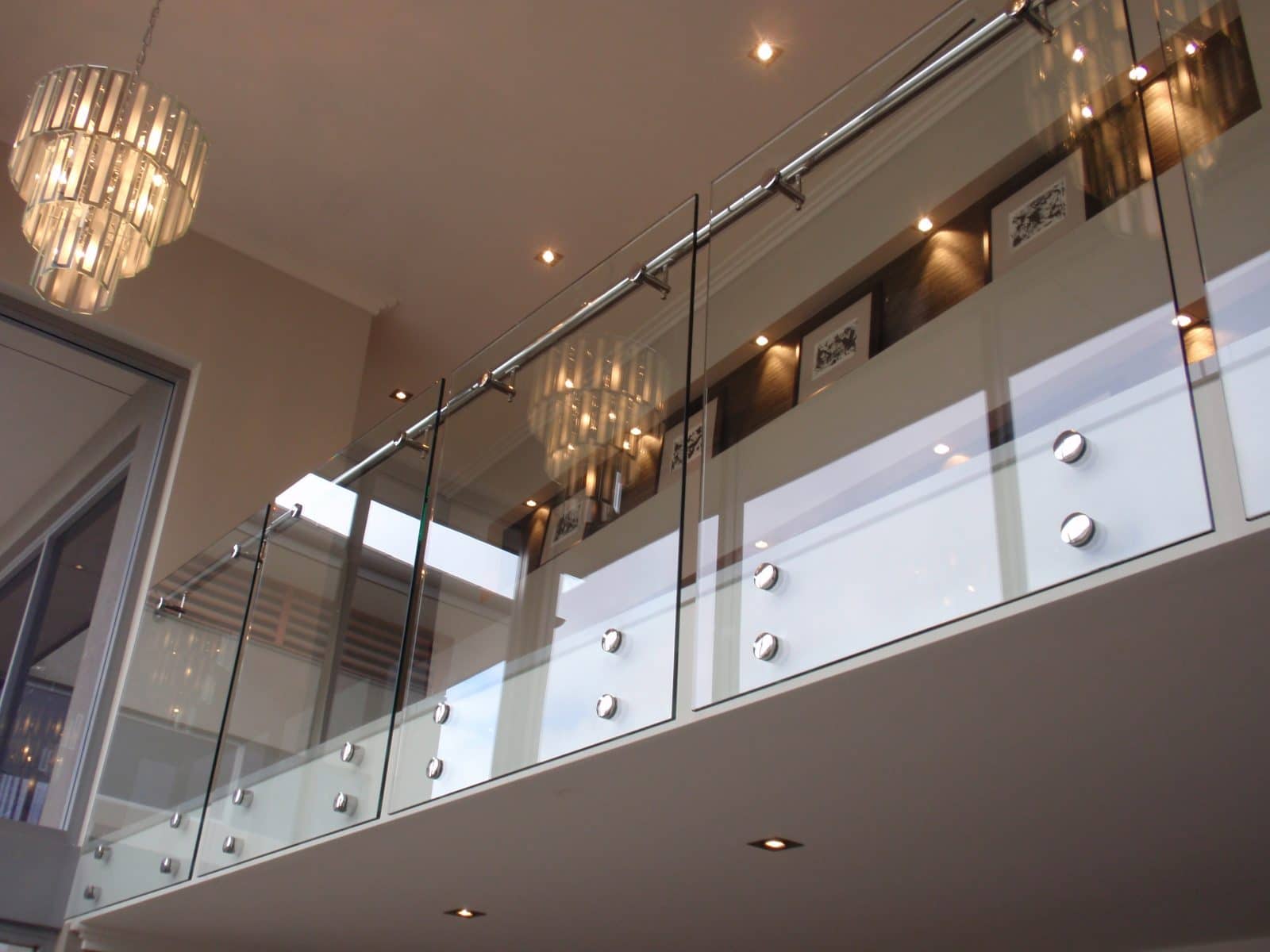
Frameless balustrades
Glass floors
Overhead glazing
Structural glass fins
High-performance facades
Cyclonic and high-wind environments
Key Benefits
Higher structural performance than PVB laminates
Increased stiffness
Improved edge stability
Superior post-breakage behaviour
Suitable for demanding engineering applications
EVA Interlayers: Built for Specialised Applications
EVA (Ethylene Vinyl Acetate) differs from both PVB and SGP because it is often selected for its compatibility with specialised laminated glass technologies.
One of the most important examples is switchable privacy glass.
ToughSwitch®: Switchable Privacy Glass
ToughSwitch® combines EVA interlayers with liquid crystal technology to create glass that can transition between transparent and opaque states at the touch of a button.
When powered, the glass remains clear.
When power is removed, the liquid crystal layer disperses light, creating privacy while still allowing daylight transmission.
Applications include:
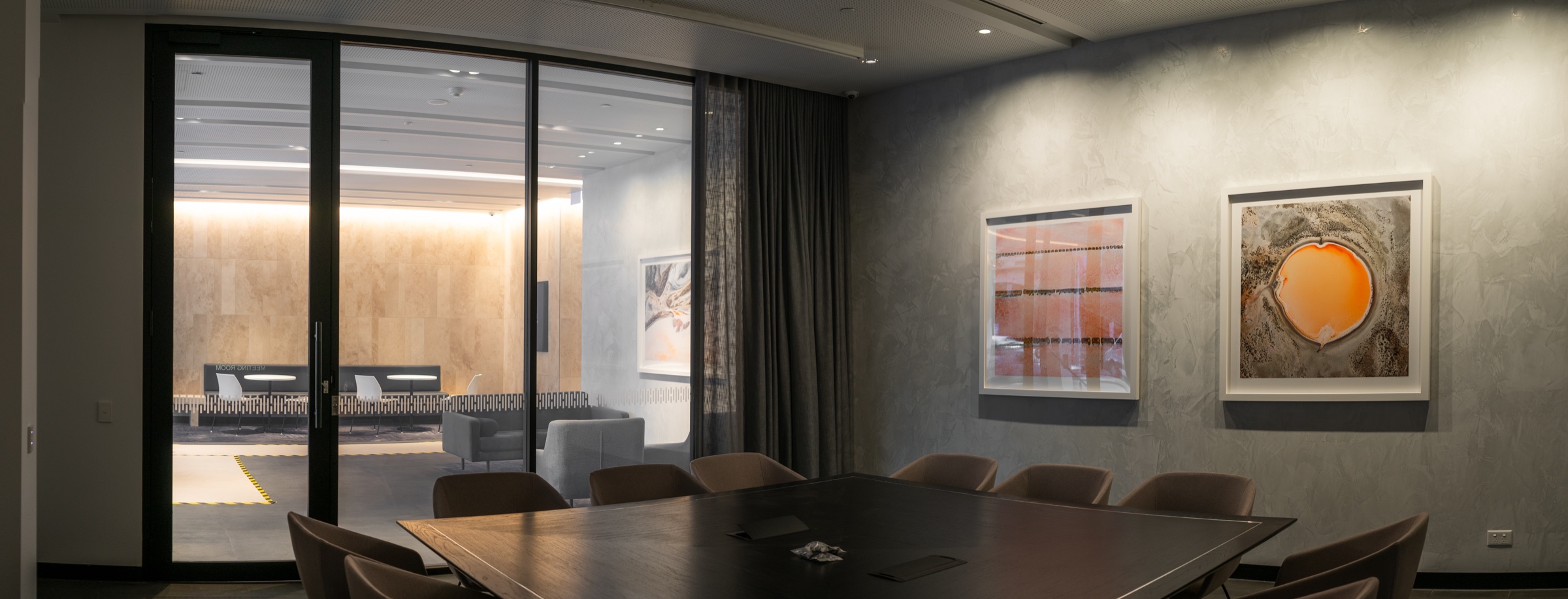
Corporate meeting rooms
Healthcare environments
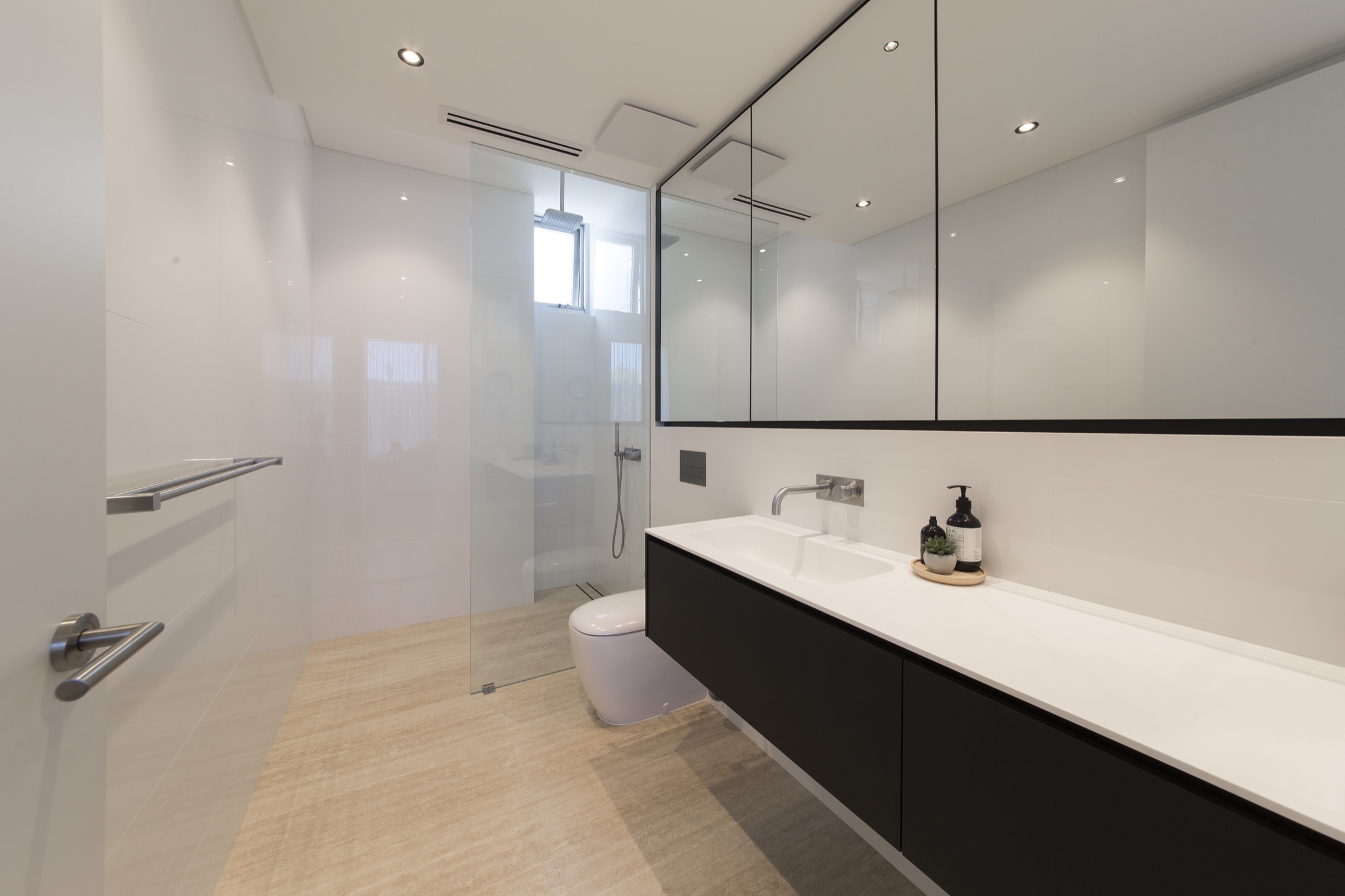
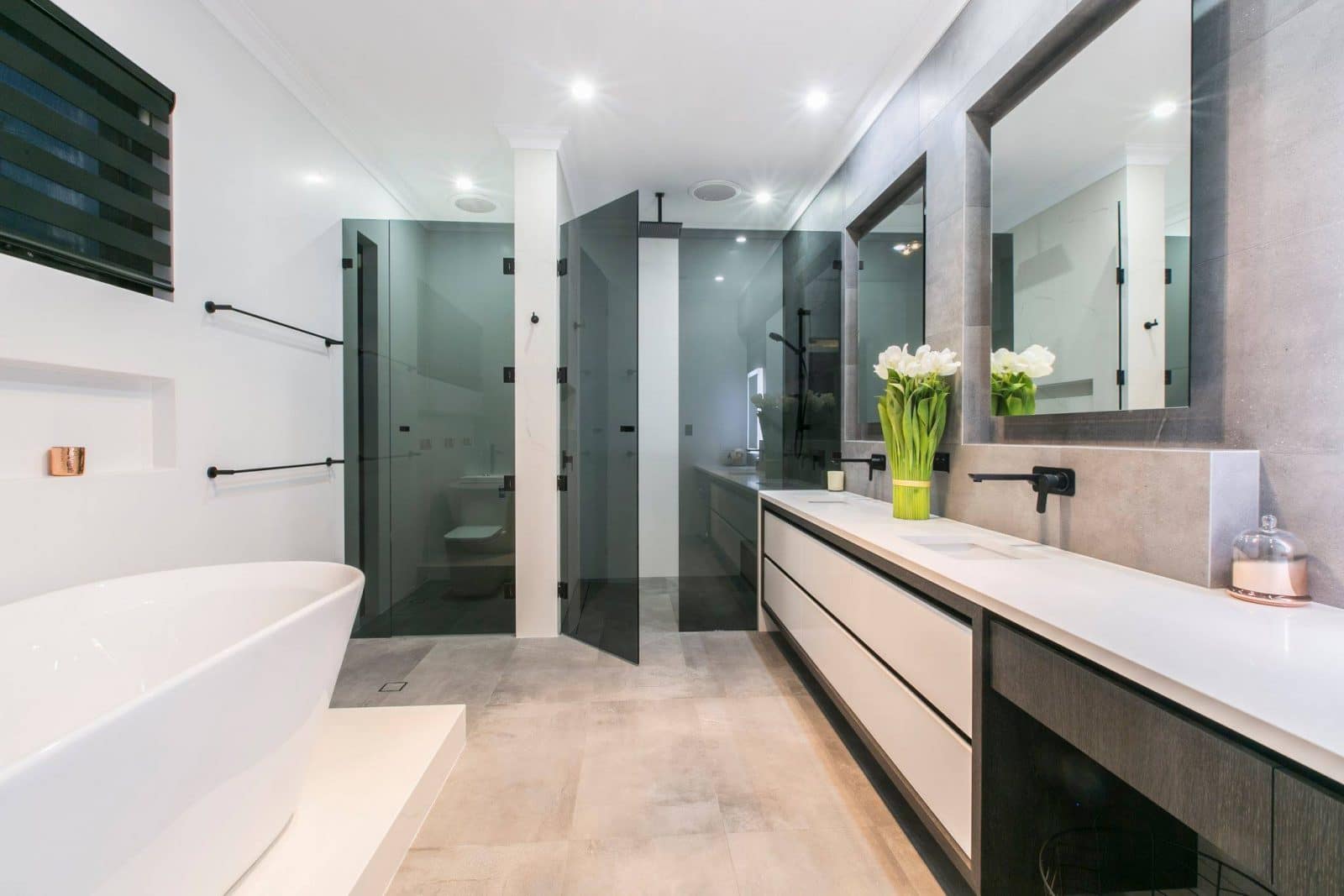
Residential luxury bathrooms
Hospitality spaces
Executive offices
Smart building projects
Why EVA Is Used
EVA provides strong adhesion and excellent compatibility with the specialist films required for switchable glass systems.
It also offers:
Good moisture resistance
Long-term optical stability
Reliable bonding around embedded technologies
For products such as ToughSwitch®, EVA is less about structural strength and more about enabling advanced glass functionality.
Comparing PVB, SGP, and EVA
Safety Laminated Glass — ToughGuard®/ToughSound® (PVB): Excellent; ToughView® (SGP): Excellent; ToughSwitch® (EVA): Excellent
Acoustic Performance — ToughGuard®/ToughSound® (PVB): Excellent (especially ToughSound®); ToughView® (SGP): Moderate; ToughSwitch® (EVA): Moderate
Structural Strength — ToughGuard®/ToughSound® (PVB): Good; ToughView® (SGP): Exceptional; ToughSwitch® (EVA): Good
Post-Breakage Integrity — ToughGuard®/ToughSound® (PVB): Good; ToughView® (SGP): Outstanding; ToughSwitch® (EVA): Good
Large Unsupported Spans — ToughGuard®/ToughSound® (PVB): Limited; ToughView® (SGP): Excellent; ToughSwitch® (EVA): Limited
UV Protection — ToughGuard®/ToughSound® (PVB): Excellent; ToughView® (SGP): Excellent; ToughSwitch® (EVA): Excellent
Switchable Privacy Integration — ToughGuard®/ToughSound® (PVB): No; ToughView® (SGP): No; ToughSwitch® (EVA): Excellent
Which Interlayer Is Right for Your Project?
The best interlayer depends entirely on the performance requirements of the application.
Choose ToughGuard® when standard laminated safety performance is required.
Choose ToughSound® when noise reduction is a key project objective.
Choose ToughView® when structural strength, rigidity, or post-breakage performance are critical.
Choose ToughSwitch® when integrating smart privacy technology into the glazing design.
Rather than viewing one interlayer as "better" than another, it's more accurate to think of each as a specialised tool designed to solve a specific challenge.
Related articles
-
 View IGU Spacer Systems Explained: Choosing the Right Spacer for Performance, Shape, and Size
IGU Spacer Systems Explained: Choosing the Right Spacer for Performance, Shape, and Size
When specifying or manufacturing an Insulating Glass Unit (IGU), the spacer system plays a critical role in thermal performance, gas retention, durability, and fabrication flexibility.
-
 View Heat-Soaked vs Heat-Strengthened Glass: Understanding the Difference
Heat-Soaked vs Heat-Strengthened Glass: Understanding the Difference
-
 View Glass Performance Specs Explained: A Practical Guide for Glaziers and Fabricators
Glass Performance Specs Explained: A Practical Guide for Glaziers and Fabricators
U-value. SHGC. Rw. VLT.


