


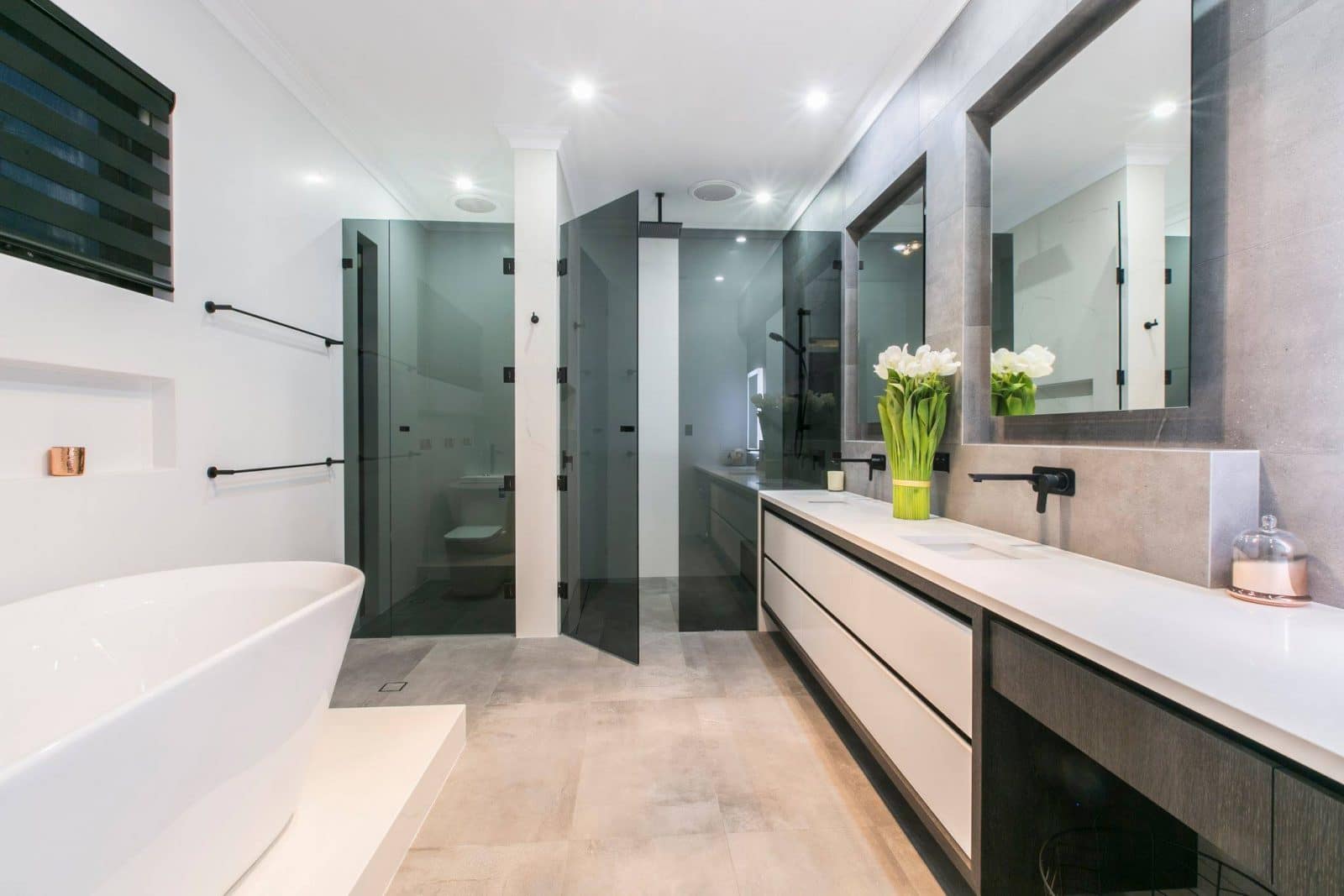
Nickel Sulphide Inclusions: Why Toughened Glass Can Shatter Spontaneously
Discovering a toughened glass panel shattered for no apparent reason can be frustrating and concerning. In some cases, spontaneous breakage may be caused by a naturally occurring phenomenon known as a Nickel Sulphide Inclusion (NSI).

While rare, nickel sulphide inclusions are a recognised characteristic of toughened glass and are one of the leading causes of spontaneous glass breakage worldwide.
What Are Nickel Sulphide Inclusions?
Nickel sulphide inclusions are microscopic particles that can form during the glass manufacturing process when trace amounts of nickel and sulphur combine within the molten glass.
These particles are incredibly small and cannot be seen during normal inspection. Once the glass is toughened, the inclusion becomes trapped within the glass structure.
Over time, changes within the particle can cause it to expand, generating stress inside the glass panel. If the stress exceeds the strength of the toughened glass, the panel may shatter suddenly and without any external impact.
Why Does This Only Affect Toughened Glass?
The toughening process involves heating glass to extremely high temperatures before rapidly cooling the surfaces. This creates the compressive stresses that give toughened glass its strength and safety characteristics.
However, these same internal stresses can make the glass susceptible to expansion caused by a nickel sulphide inclusion. As the inclusion grows, the stored energy within the glass is released, causing the panel to break into the small, relatively harmless fragments expected of safety glass.
Not Every Breakage Is Caused by Nickel Sulphide
While nickel sulphide inclusions are a recognised cause of spontaneous breakage, they are not the only reason a toughened glass panel may fail.
Other factors that can contribute to glass breakage include:
Edge damage sustained during handling, transport, or installation
Surface damage that weakens the glass over time
Excessive pressure from glazing systems, fittings, or hardware
Building movement or frame deflection
Thermal stress caused by uneven heating
Accidental impact or vandalism
In some cases, damage may occur long before the glass eventually breaks, making the original cause difficult to identify.
Identifying Nickel Sulphide Breakage
When spontaneous breakage occurs, a trained glazing professional can often identify whether a nickel sulphide inclusion was the likely cause by examining the fracture pattern and origin of the break.
One of the most recognised indicators is a distinctive "butterfly" pattern found at the point where the break originated. Detailed inspection may be required to confirm the presence of an inclusion.
Expert Advice and Replacement Solutions
If a toughened glass panel has shattered without an obvious cause, professional assessment is recommended. Determining the source of the breakage is important when selecting an appropriate replacement solution.
If a toughened glass panel has shattered unexpectedly, the team at Tough Glass can provide replacement glass solutions and expert guidance to ensure the right product is selected for your application.
Understanding nickel sulphide inclusions helps explain why spontaneous glass breakage can occur and highlights the importance of working with experienced glazing professionals when specifying and replacing toughened glass.
Related articles
-
 View A Homeowner's Guide to Understanding Glass Specs (Without the Overwhelm)
A Homeowner's Guide to Understanding Glass Specs (Without the Overwhelm)
If you’ve ever spoken to a glazier or looked at a window or door quote, you’ve probably seen terms like *U-value*, *SHGC*, *Rw*, or *VLT*.
-
 View Low-E Glass, Explained: What Actually Makes a Home Feel Cooler, Quieter, and More Comfortable
Low-E Glass, Explained: What Actually Makes a Home Feel Cooler, Quieter, and More Comfortable
When you’re standing in your living room on a hot afternoon, blinds half-drawn, aircon working overtime, it’s easy to blame the weather. But often, it’s your windows doing most of the talking.
-
 View Double Glazing in Western Australia
Double Glazing in Western Australia
Double glazing in Western Australia has traditionally been treated as an upgrade, something reserved for premium homes or specific commercial projects.


